
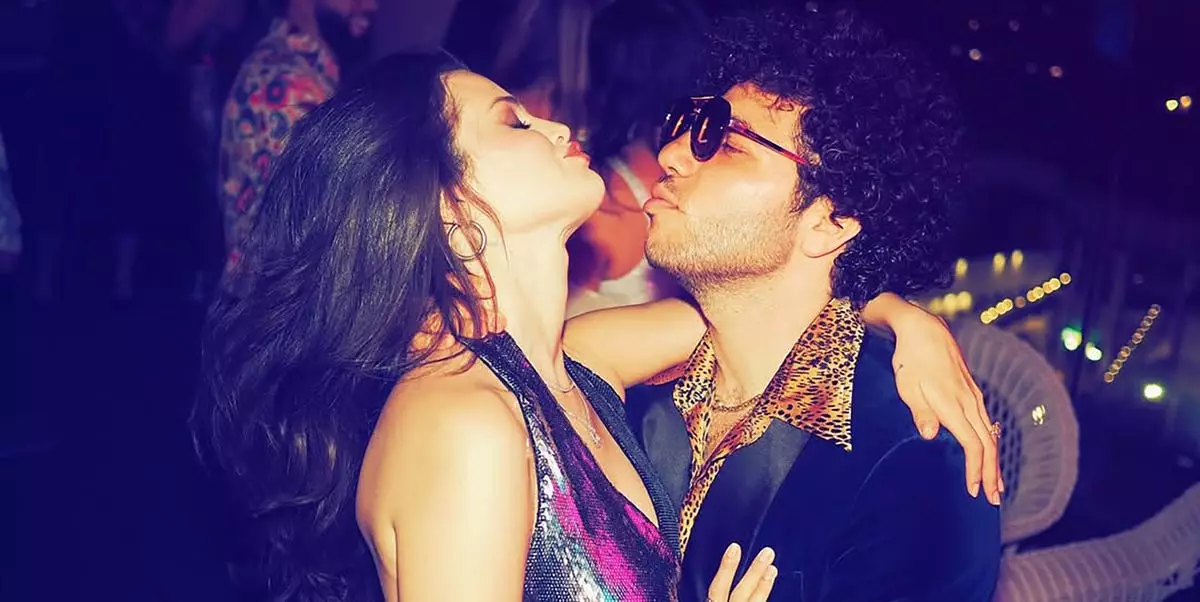
In today’s fast-paced world, the notion that everything must fall perfectly into place before we proclaim our love can often hinder authentic connections. Selena Gomez’s public affection for Benny Blanco exemplifies a refreshing shift — she openly calls him her “husband” and “my world,” despite the fact that they are not yet officially married. This choice underscores a profound insight: love isn’t a checklist with prerequisites; it’s an emotional state that can be embraced when it feels right, regardless of traditional milestones. Gomez’s candidness challenges societal expectations that one must conform to a linear timeline before expressing commitment. Her willingness to publicly acknowledge her feelings before official validation signifies that genuine affection thrives on honesty and emotional certainty, not societal approval.
The Myth of ‘Busy’ as an Excuse
It is almost a cultural cliché to cite being “too busy” as a barrier to meaningful milestones like wedding planning. Benny Blanco’s and Gomez’s accounts reveal another truth — that genuinely committed people prioritize their relationships, even amid chaos. Their busy schedules, filled with album productions, film projects, and personal endeavors, are testament not to neglect but to their dedication. They recognize that love doesn’t have to wait for a free moment when everything aligns perfectly; instead, it exists resiliently alongside commitments. Gomez’s comment about her feelings — “I’ve never felt so sure about something” — lends credence to the idea that clarity and conviction can coexist with ambitious careers. True love flourishes, then, not in the absence of busyness, but in its presence, as an anchor that provides stability amid chaos.
Authenticity Over Formality
While societal narratives emphasize the importance of formal ceremonies, Gomez’s open affection suggests that the essence of commitment is personal and deeply felt. Her public tributes to Blanco — calling him her “hubby” and “my world” — are acts of raw authenticity, echoing a broader cultural shift toward valuing emotional truth over superficial displays. Her emphasis on readiness and certainty reflects a belief that love doesn’t require societal validation for it to be genuine. The couple’s approach challenges conventional wisdom, asserting that emotional preparedness and mutual conviction are the real foundations of lasting partnership. Their story exemplifies that when love is grounded in clarity and genuine desire, the importance placed on traditional rituals diminishes in favor of authentic emotional expressions.
Redefining Commitment in the Modern Age
Gomez and Blanco’s narrative encapsulates a modern understanding of commitment — one that prioritizes emotional honesty over societal expectations. Their sharing of affectionate publicly-posed comments, amidst chaotic schedules, illustrates a paradigm where love manifests as an active choice rather than a destination marked by a ceremony. This approach encourages a reevaluation of what it means to be “ready.” True commitment, as evidenced by Gomez’s feelings, is not about ticking boxes but about inner certainty and willingness to embrace love openly despite external circumstances. The fact that they plan to finalize wedding arrangements “this summer” signals that traditional timelines are flexible and personal happiness takes precedence. Their story demonstrates that in the contemporary landscape, love’s strength resides in authenticity, resilience, and unapologetic vulnerability — qualities that, if embraced, can redefine what it means to truly commit.