
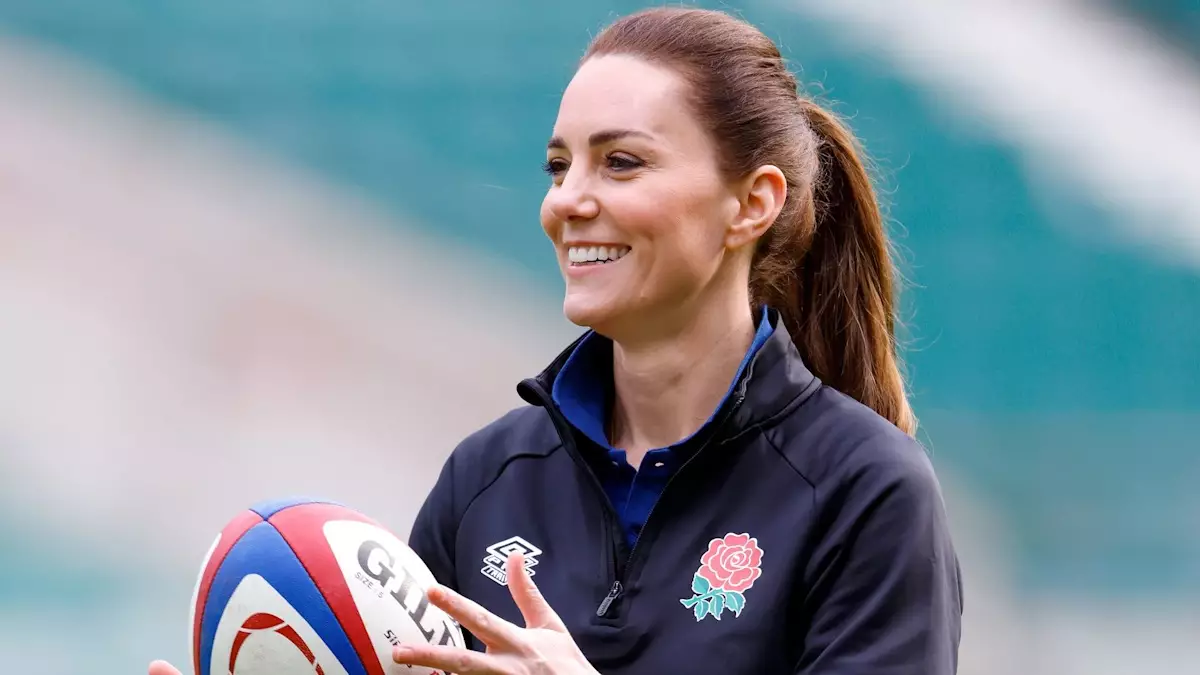
In a world obsessed with six-pack abs and superficial beauty standards, it’s easy to overlook the true essence of core strength: stability, resilience, and holistic health. The attention given to appearances often masks the profound importance of a well-balanced core, which is the foundation of every functional movement and injury prevention. When we analyze the seemingly casual sight of a royal, like Kate, engaging in advanced core exercises, we begin to understand that core competence transcends vanity—it’s a vital aspect of overall well-being. The image of her balancing effortlessly in a V-sit isn’t just an Instagram-worthy stunt but a reflection of years of intentional training rooted in functional fitness principles.
Far too often, women believe that reaching a specific aesthetic goal—such as visible abs—equates to core health. However, genuine strength lies beyond superficial contours. It encompasses the ability to move freely without pain, stabilize the spine under pressure, and perform daily activities with effortless efficiency. This shift in perspective invites women, especially those over 40 or postpartum, to reassess what a robust core means: it’s about resilience, endurance, and confidence in their movement capacity. Reorienting fitness goals from appearance to function empowers women to embrace training as a lifelong pursuit of vitality, rather than a fleeting aesthetic trend.
Reevaluating Popular Exercises: The Power of Compound Movements
Many fitness programs fixate on isolated movements like crunches or sit-ups, which superficialize core training but often neglect functional strength. The truth is, compound exercises—those that involve multiple muscle groups and joints—are superior for developing a resilient, stable core. Kate’s impressive ability to hold challenging positions during 2016’s royal outing underscores the importance of integrating such movements into regular routines. A dumbbell goblet squat, for instance, simultaneously targets the lower body and engages the core to stabilize the torso, yielding more comprehensive results.
Moreover, integrating isometric holds like planks along with rotational movements such as Russian twists ignites the deep abdominal muscles that are often neglected. These muscles—transverse abdominals, obliques, and spinal stabilizers—are crucial for preventing chronic back pain and maintaining proper posture. Combining resistance training with core stabilization creates a synergy that not only enhances appearance but fosters functional strength that translates into everyday life—lifting groceries, bending, twisting, and even maintaining balance on uneven terrains.
The emphasis should not solely be on the ‘look’ but on cultivating a durable, adaptable core. This holistic approach ensures that women, regardless of age or postpartum status, fortify their bodies against the wear and tear of daily life.
Functional Mobility: The Unsung Hero of Core Endurance
Mobility often takes a backseat in standard gym routines, yet it is an integral component of core health. A flexible, well-mobilized body is less prone to injury, stiffer joints, and muscle imbalances. Kate’s ability to sit in challenging positions with apparent ease hints at her dedication to maintaining mobility that complements her strength training. A well-rounded fitness regimen incorporates dynamic stretches, hip flexor work, shoulder mobility drills, and activation exercises that prepare the body to perform complex core movements with control.
Women over 40, especially those with a history of childbirth, benefit immensely from focusing on mobility. Tight hips, stiff shoulders, and reduced range of motion can diminish core stability, leading to lower back pain and compromised posture. Engaging in functional movements that explore and expand joint range helps to keep muscles supple and joints lubricated—foundational elements for sustaining core strength over the years.
Furthermore, improving mobility isn’t solely about aesthetics or performance; it’s about cultivating a body capable of enduring life’s constant adjustments and surprises. This proactive approach to movement design helps women preserve independence, prevent falls, and maintain an active lifestyle well into later years.
Beyond Aesthetics: Embracing the Empowering Potential of a Strong Core
The pursuit of a strong, functional core is ultimately a journey toward empowerment. When women realize that core strength enhances posture, alleviates pain, and boosts self-confidence, they shift from viewing exercise as a chore to embracing it as a powerful act of self-care. The misconception that core training is solely about achieving a flat stomach diminishes the real, transformative benefits—such as improved balance, reduced injury risk, and increased capacity to perform daily activities with ease.
The importance of adopting a holistic perspective becomes evident when considering how women over 40, especially those who are postpartum, can benefit from strengthening their core muscles. The support provided by a resilient core mitigates common issues like lower back discomfort or pelvic instability. It’s not about doing hundreds of crunches but about integrating functional, compound, and mobility exercises that build endurance, stability, and strength from the inside out.
This lifestyle shift fosters an internal sense of power—an understanding that fitness is not just an outward display but an inward process of aligning strength with purpose. Embracing this mindset transforms the way women perceive their bodies, encourages lifelong habits, and ultimately redefines what it means to be strong at any age.