
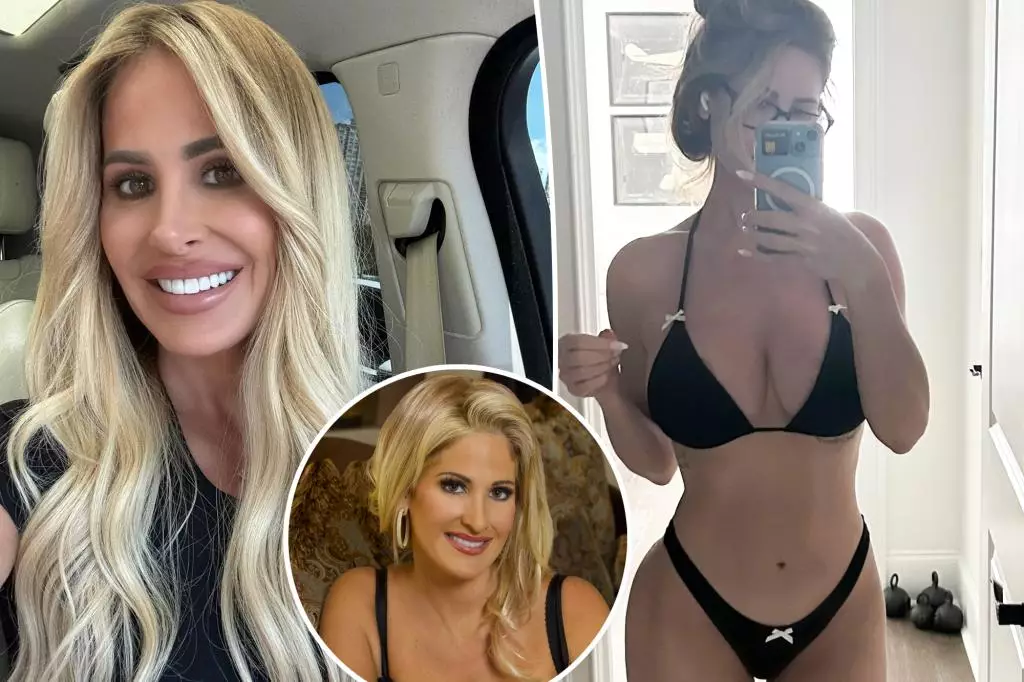
Kim Zolciak’s recent candidness about her extensive plastic surgery journey highlights a shifting narrative about beauty and self-acceptance. In a landscape where aging gracefully is often glorified, her openness signals a different perspective—that taking control of one’s appearance is not only valid but empowering. Her disclosure serves as a testament to the evolving attitude that cosmetic procedures are personal choices rather than societal taboos. By sharing her experiences, Zolciak challenges the stigma around plastic surgery, encouraging others to embrace their decisions without shame. Her unapologetic attitude fosters a conversation about authenticity, motivation, and the complex relationship between inner confidence and external appearances.
The Power Dynamics of Image and Identity
Zolciak’s journey underscores how celebrity culture intertwines with societal standards of beauty. As a reality TV star, she is perpetually under public scrutiny, yet she uses her platform to express agency over her body. Her willingness to undergo multiple surgeries and openly discuss them disrupts conventional notions that aging or striving for perfection diminish worth. Instead, her narrative resonates with those who believe that maintaining a certain image is an act of self-love and resilience. Her statement—“I sacrificed my body for my children”—reframes cosmetic procedures as acts of empowerment rather than superficiality, emphasizing the importance of personal agency in the face of social expectations.
Questioning the Boundaries of Self-Expression
While many admire Zolciak’s boldness, her openness also prompts reflection on the broader implications of cosmetic enhancement. The fact that she omitted mentioning recent procedures like laser vaginal rejuvenation suggests that even amongst the most outspoken, there remain unspoken boundaries or personal preferences about disclosure. Her narrative reveals the delicate balance between authenticity and privacy in a celebrity’s life. Moreover, her emphasis on societal beauty standards—highlighting her “mommy makeover”—raises questions about the pressure on women, especially mothers, to maintain youthful appearances. Does her openness inspire others, or does it subtly reinforce the idea that external perfection is necessary for happiness and success?
Critiquing Self-Perception and Societal Expectations
From a critical perspective, Zolciak’s candor about her cosmetic procedures invites both admiration and scrutiny. On one hand, her transparency can be seen as an act of vulnerability that humanizes her and normalizes plastic surgery. On the other hand, it raises concerns about the pervasive influence of such procedures on women’s self-esteem, especially within celebrity culture. Her comment about “sacrificing her body” sparks debate about the societal valorization of youthful and flawless appearances, often at the expense of genuine self-acceptance. Ultimately, her narrative exemplifies a complex interplay between societal pressures, personal desires, and the ongoing quest for validation, making her story both inspiring and cautionary.