
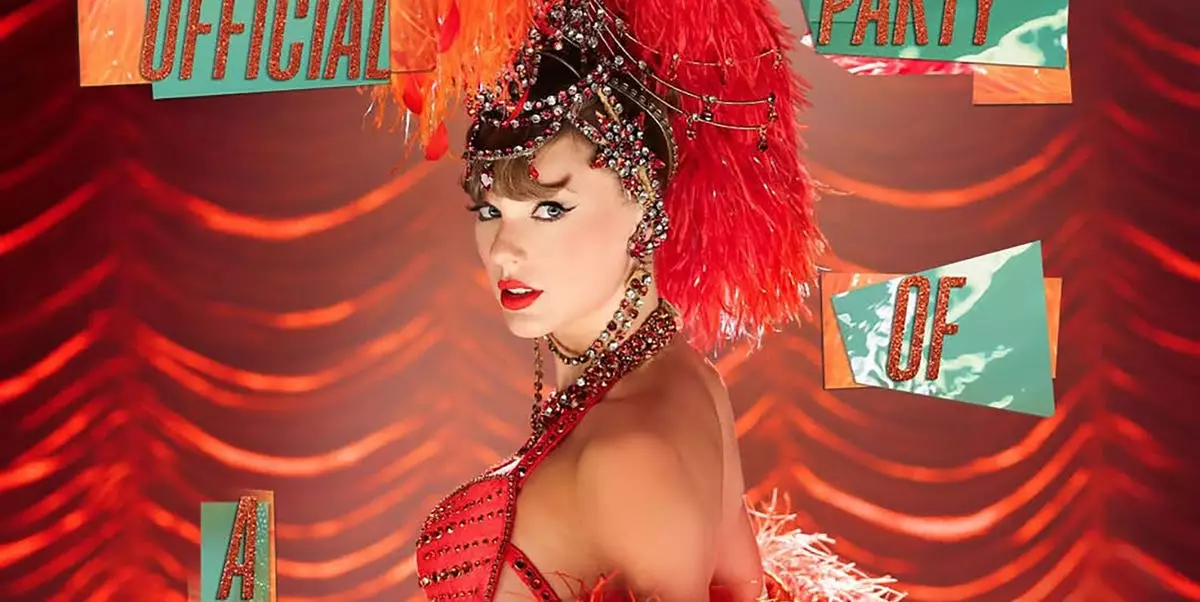
In an era where musicians are often confined to the traditional album-release cycle and concert tours, Taylor Swift is once again redefining what it means to be an artist. Her latest move—the announcement of a surprise cinematic event coinciding with her new album release—signals a transformative approach to connecting with her audience. Rather than simply dropping a record and touring in conventional settings, Swift is leveraging the power of film as a storytelling medium, creating an immersive experience that transcends music alone.
The strategic timing of this theatrical event demonstrates her keen understanding of consumer attention spans and the current entertainment climate. Releasing a film incorporating exclusive content, behind-the-scenes footage, and new music videos, Swift isn’t just selling a product; she’s orchestrating an event that blurs the lines between various entertainment formats. This move firmly positions her as a multifaceted artist and innovator, aiming to craft a holistic artistic universe that invites fans into her creative process in a deeply personal manner.
What’s most compelling is her deliberate choice to blend music with cinematic storytelling, a move that elevates her work beyond the usual album cycle. The idea of a “Showgirl” film not only promotes her new album but also transforms her artistic narrative into a visual spectacle, enriching the fan experience. This strategy reflects a broader industry trend: artists are now recognizing the value of multimedia projects that stimulate multiple senses simultaneously. Swift’s bold step into this territory could very well set a new standard for how music-related content is presented and consumed.
The Power of Personalization and Authentic Engagement
What makes Swift’s approach particularly impactful is her focus on creating exclusivity and intimacy. Announcing the event as a “dazzling soirée” available only in cinemas from October 3-5 sends a clear message: this isn’t a generic release but an exclusive, must-attend spectacle. Offering fans behind-the-scenes insights and an exclusive music video premiere ensures that her audience feels intimately involved in her creative universe.
This strategy capitalizes on her established reputation for connecting with fans on a personal level. By giving fans unprecedented access to her process—showing how she creates her music and the inspiration behind her—and providing new lyric videos, she fosters a sense of inclusion. For her followers, it’s not just about the music anymore; it’s about being a part of her artistic journey. This personalized approach amplifies fan loyalty and transforms passive listeners into active participants.
Moreover, her potential role as director of this film suggests a desire for artistic control and authenticity. Unlike traditional artist collaborations where directors are often anonymous, Swift taking the helm could ensure her vision remains pure and aligned with her artistic identity. It also signals her willingness to experiment with new media at a high creative level, blurring the lines between musician and filmmaker.
Industry Implications: A Shift Toward the Artist as a Multimedia Creator
Swift’s venture has significant implications for the entertainment industry at large. It exemplifies a shifting paradigm where artists are no longer confined to single mediums—music, film, or live performances—but embrace a multi-dimensional approach. The integration of concert footage, behind-the-scenes insights, and music videos into a single cinematic event demonstrates a sophisticated understanding of storytelling potential.
This move also pushes other artists to think beyond traditional release tactics. The concept of premiering new singles alongside exclusive visual content in theaters could revolutionize how music marketing campaigns are structured. It offers a palpable sense of occasion that digital streaming alone cannot replicate, creating a sense of event-style excitement around album launches.
Furthermore, Swift’s ability to weave her personal life into her artistic narrative—such as including footage from her tour and her relationship with Travis Kelce—adds layers of authenticity and relatability. It bridges the gap between celebrity and fan, making her not just a pop star but an artist actively shaping her legacy with innovative storytelling. This strategic integration of personal and professional content likely foreshadows a future where artists craft their personas across multiple screens and platforms simultaneously.
While skeptics may argue that this is merely a promotional stunt, it’s undeniable that Taylor Swift’s foray into cinematic storytelling sets a remarkable precedent. Her willingness to experiment with film, storytelling, and exclusive fan engagement reflects a broader shift in the entertainment landscape—one where the boundaries of art are fluid and continuously expanding. If her venture succeeds, it could inspire a wave of artists to reimagine their projects as immersive multimedia experiences, fundamentally altering the way audiences interact with music and visual storytelling. For Swift, this isn’t just about a new album; it’s about cementing her legacy as an innovative force who continuously pushes the limits of artistic expression.